New Hearing Aid Technology: LE Audio and Auracast
Zarina Naizam, Au.D., CCC-A · Published
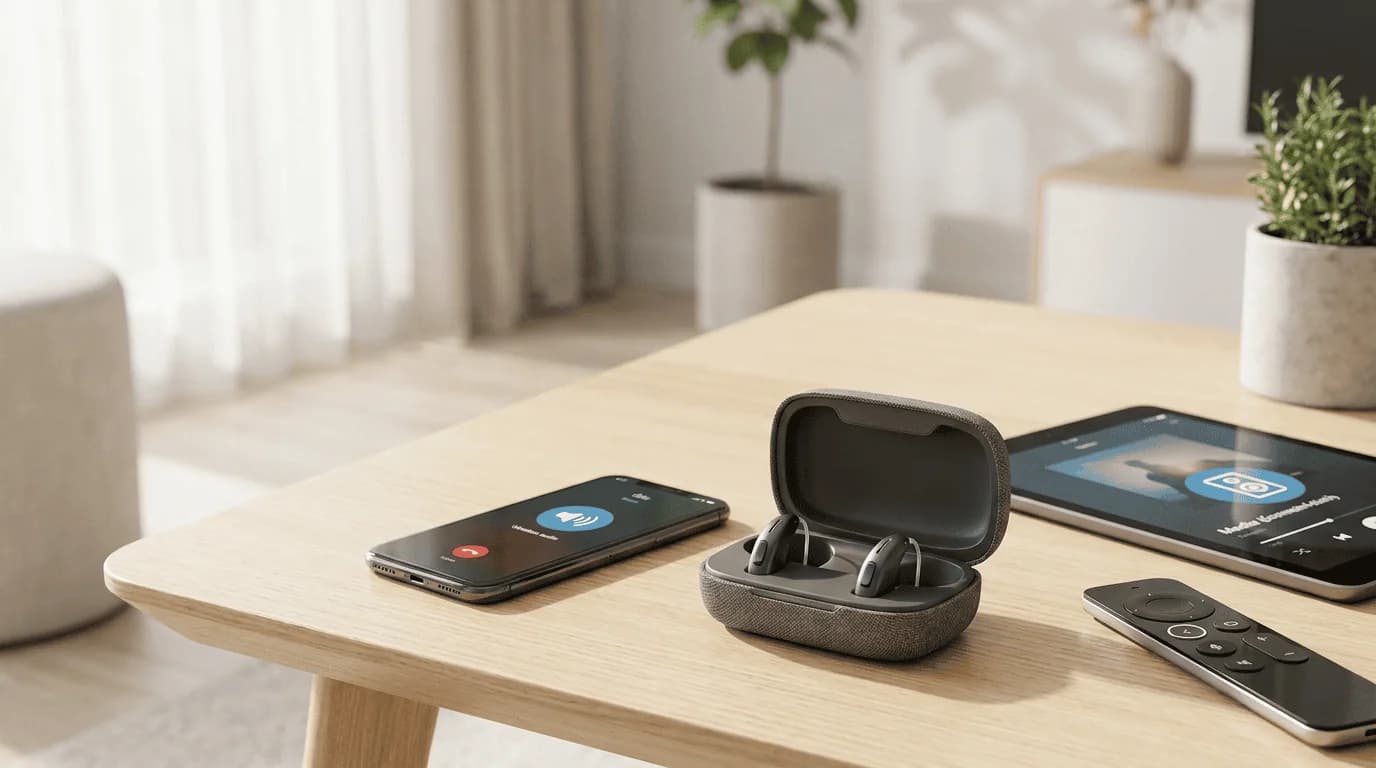
If you’ve been researching hearing aid technology, you may have come across terms like LE Audio and Auracast and wondered what they actually mean for everyday hearing. Many people feel unsure when new technology terms start showing up in conversations about hearing aids, especially if they’re already sorting through styles, prices, and treatment options.
You don’t need to be a tech expert to understand the basics. In simple terms, these newer wireless features are designed to make listening easier in more situations, from phone calls and television to announcements in public places. In this article, you’ll learn what LE Audio and Auracast are, how they may help, what their limits are, and what to ask if you’re considering new devices.
What are LE Audio and Auracast?
LE Audio is a newer form of Bluetooth audio technology. It’s designed to improve the way compatible devices share sound while using power more efficiently than older Bluetooth systems.
Auracast is a feature built on that newer Bluetooth approach. It allows one audio source to broadcast sound to many nearby compatible devices at the same time. For people with hearing loss, that could mean hearing audio from a TV, public announcement system, or event feed more directly through compatible hearing devices or accessories.
Here is the simple version:
-
LE Audio is part of the new wireless foundation
-
Auracast is one of the listening features that foundation can support
These tools are still becoming more widely available, so not every hearing aid, phone, television, or public venue supports them yet.
Why this hearing aid technology matters
For many patients, volume is only part of the problem. The hardest part of hearing is clarity, especially in noisy places or when the sound source is far away. That is where wireless hearing aid technology can be especially helpful.
Potential benefits may include:
-
More direct streaming from phones and tablets, which can make calls, videos, and media easier to hear
-
Better access to television audio without turning the volume up for everyone else
-
Improved listening in public spaces when venues offer compatible broadcast audio
-
Less dependence on extra accessories in some situations, depending on the device
-
More personalized listening options as hearing aids and phones become better integrated
The technology labels matter less to patients than the result: fewer listening barriers in daily life.
How Auracast could help in public places
One of the most talked-about uses of Auracast is in shared listening environments. Imagine being in:
-
an airport waiting for gate announcements
-
a place of worship
-
a lecture hall
-
a theater
-
a fitness center with televisions
-
a reception area or community event
In settings like these, background noise and distance often make speech hard to follow, even with hearing aids. Auracast-style broadcast audio may allow people with compatible devices to connect more directly to the sound source, so they aren’t relying only on room acoustics.
Not every public space is set up this way yet. Adoption is still growing, and many venues continue to use other assistive listening systems such as hearing loops, FM, infrared, or app-based solutions. Even so, this technology is important because it points toward a future with more flexible and accessible listening options.
What this technology can and cannot do
It’s easy to hear about new hearing technology and hope it will solve every listening problem. A more realistic expectation is that it may improve access in certain situations, but it is not a cure for hearing loss.
LE Audio and Auracast may help by:
-
making audio connections more convenient
-
improving access to streamed sound
-
helping some users hear speech more directly in supported settings
But they do not:
-
restore normal hearing
-
guarantee perfect speech understanding in noise
-
replace a professional hearing evaluation and fitting
-
mean every device will work with every phone, TV, or venue
As with any hearing aid technology, success depends on your hearing needs, the quality of the fitting, device compatibility, and the listening environment.
What to ask before choosing new hearing aids
If you’re shopping for hearing aids or wondering whether an upgrade is worth it, it can help to ask practical questions and look past the buzzwords.
Consider asking:
-
Does this model support Bluetooth streaming?
-
Does it support LE Audio or Auracast, and if so, what features are available now?
-
Will it work with my current smartphone, tablet, and television?
-
Do I need any extra accessories for streaming or TV listening?
-
How easy is it to switch between phone calls, app control, and other audio sources?
-
Which assistive listening systems are used at the public events I attend?
These questions can help you focus on how the technology fits your lifestyle instead of how impressive it sounds on paper.
Who may benefit most from newer wireless features?
Not everyone needs the same level of technology. Some people mainly want better face-to-face conversation support, while others care deeply about connectivity.
You may especially value newer hearing aid technology if you:
-
take frequent phone or video calls
-
stream TV or music often
-
spend time in meetings, classes, or public events
-
want easier access to assistive listening options
-
feel frustrated by switching between devices and sound sources
For other patients, comfort, speech understanding, rechargeability, and fit may matter more than advanced broadcast audio features. That’s completely normal too.
A good next step if you are curious about this technology
If LE Audio and Auracast sound promising, don’t guess whether you need them. The best next step is a conversation about your hearing, your communication challenges, and the places where listening feels hardest.
A hearing care professional can help you understand:
-
whether your current hearing aids already support some newer features
-
whether an upgrade would offer meaningful day-to-day benefits
-
what compatibility issues to check before making a decision
-
which listening tools may help now, even if Auracast is not widely available in your area yet
The bottom line
New hearing aid technology can sound complicated at first, but the goal is simple: help people hear more clearly and participate more fully in everyday life. LE Audio and Auracast may make it easier to stream sound, connect to devices, and eventually access clearer audio in more public places.
At the same time, it’s normal to wonder what is truly useful and what is just new. If you’re exploring your options, a personalized hearing evaluation and a clear conversation about your lifestyle can help you choose technology that fits your real needs.
Sources & Further Reading
-
NIDCD, Hearing Aids: https://www.nidcd.nih.gov/health/hearing-aids
-
NIDCD, Assistive Devices for People with Hearing, Voice, Speech, or Language Disorders: https://www.nidcd.nih.gov/health/assistive-devices-people-hearing-voice-speech-or-language-disorders
-
FDA, Types of Hearing Aids: https://www.fda.gov/medical-devices/hearing-aids/types-hearing-aids
-
FDA, Hearing Aid Benefits and Limitations: https://www.fda.gov/medical-devices/hearing-aids/hearing-aid-benefits-and-limitations
-
Bluetooth, LE Audio Overview: https://www.bluetooth.com/learn-about-bluetooth/feature-enhancements/le-audio/
-
Bluetooth, LE Audio and Hearing Assistance: https://www.bluetooth.com/learn-about-bluetooth/feature-enhancements/le-audio/hearing/
-
Hearing Loss Association of America, Auracast: https://www.hearingloss.org/find-help/auracast/
Originally published on the date shown above. For current device options, fees or insurance coverage, please contact the clinic. To learn how we prepare our articles, see our editorial policy.