Traveling with Hearing Aids: Tips for a Smooth Journey
Zarina Naizam, Au.D., CCC-A · Published
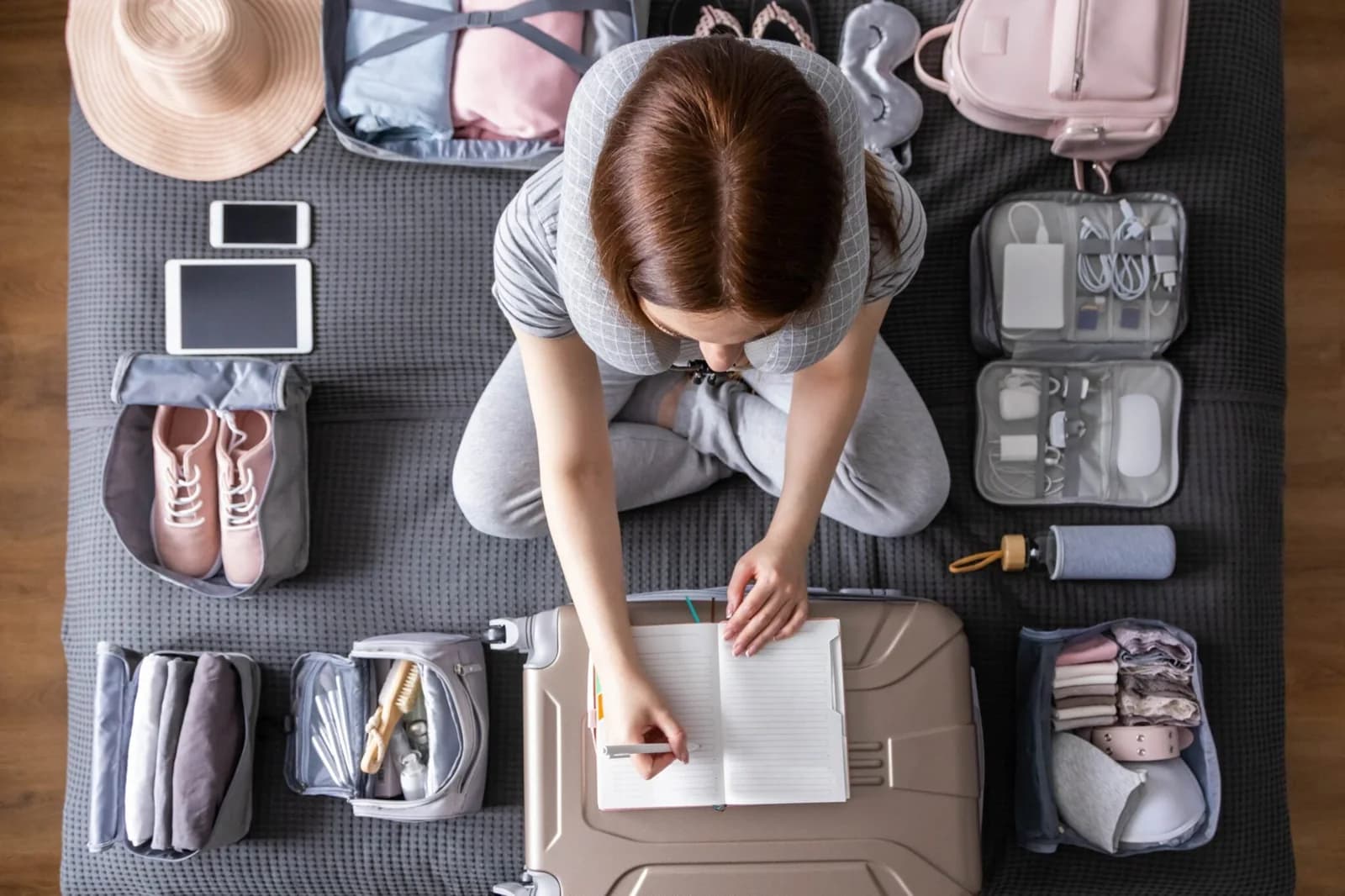
Travel opens the door to new experiences, cultures, and connections, but if you wear hearing aids, it also comes with a few unique challenges. With a bit of preparation, you can enjoy a smooth, stress-free trip wherever you go. From airport security to changing climates, here’s a practical guide to traveling confidently with hearing aids.
Before You Go: Prepare Your Hearing Tech
Pack Smart and Bring Extras
Make a hearing aid “travel kit” with essentials such as:
-
Fresh batteries or a fully charged power bank
-
Your charging case and any cables
-
Domes, wax guards, and cleaning tools
-
A protective carrying case
-
A backup pair of hearing aids, if you have them
Pro Tip: If you use rechargeable hearing aids, pack a portable charger or a power converter for international travel.
Double-Check Your Settings
If your hearing aids have programs for noisy environments, wind reduction, or restaurant settings, make sure they’re activated and ready to use. Some apps even allow remote adjustments while you travel.
Download Any Related Apps Before Leaving
Wi-Fi or data may be limited, so make sure all necessary hearing aid apps and updates are installed ahead of time.
At the Airport: Passing Through Security Smoothly
Do Hearing Aids Need to Be Removed at Security?
No. TSA and most international airport security agencies allow passengers to keep their hearing aids on during screening. They won’t be damaged by metal detectors or scanners.
Let TSA Agents Know If You Need Assistance
If you rely on verbal cues or lip reading, simply let the agent know at the start. You can request:
-
Face-to-face communication
-
Written instructions
-
Visual signals if you remove your hearing aids for any reason
Avoid Placing Hearing Aids on the Security Belt
If you must remove your hearing aids (for comfort, for example), place them in a protective case and keep them with your carry-on. Loose in a bin, they could get lost.
On the Go: Protecting Your Hearing Aids from Weather and Climate
Hot and Humid Destinations
Moisture and heat can affect sound quality and hearing aid performance.
-
Use a dehumidifier or drying capsule overnight.
-
Store your hearing aids in a cool pouch away from direct sunlight.
Cold, Dry Climates
Cold temperatures may affect battery life, especially with disposable batteries.
-
Keep spare batteries in an inner pocket for warmth.
-
Use a snug beanie or ear covering to shield your hearing aids from harsh winds.
Rainy or Wet Environments
Most modern hearing aids have some level of water resistance, but you should still avoid excessive moisture.
-
Carry a small umbrella or hooded jacket.
-
Use hearing aid sleeves or protective covers if you’re exposed to rain or sweat.
Managing Communication While Traveling
Be Vocal About Your Needs
Let hotel staff, tour guides, and flight attendants know you have hearing loss. They’re often trained to assist. You can request:
-
Written instructions
-
Visual alerts or wake-up devices
-
Notifications for boarding, changes, or emergencies
Use Captioning or Transcription Apps
Apps such as Google Live Transcribe, Ava, or Otter can help with:
-
Announcements in crowded terminals
-
Conversations in noisy restaurants
-
Guided tours or group activities
Choose Seats Strategically
-
On planes: aisle seats make it easier to read lips or communicate with crew members.
-
In cars or group tours: sit where you can clearly see the speaker’s face.
Carry a Travel Card
Some travelers carry a small printed card that says:
“I am hard of hearing. Please speak clearly and face me.”
It’s surprisingly effective in noisy or rushed situations.
Hotel & Transportation Tips
Ask About Accessibility Options
Many hotels offer:
-
Visual alert systems
-
Notification lights for doorbells
-
Vibrating alarm clocks
Use Charging Stations Wisely
Keep your hearing aids and charger in a consistent, safe spot, ideally on a nightstand or near your travel bag, so you don’t forget them when you leave.
Protect Your Hearing Aids During Activities
If you’re hiking, boating, or sightseeing:
-
Use retention clips or hearing aid lanyards
-
Store your hearing aids in a waterproof pouch when needed
International Tips: Staying Powered Up
Know Your Power Sources
If your chargers require a specific voltage or plug type, pack:
-
Adapters
-
Converters
-
Portable charging banks
Be Mindful of Remote Areas
In rural or remote destinations with limited electricity, power banks can be especially useful for rechargeable hearing aids.
Enjoy the Journey: Confidence Starts with Preparation
Traveling with hearing aids doesn’t have to be complicated. With a little planning (packing backups, managing moisture, getting through airport security, and preparing for communication on the go), you can focus on what matters most: enjoying your trip.
If you’d like personalized travel advice or need a pre-trip hearing aid checkup, schedule a visit with your audiologist before you leave. A quick tune-up can make a world of difference.
Originally published on the date shown above. For current device options, fees or insurance coverage, please contact the clinic. To learn how we prepare our articles, see our editorial policy.