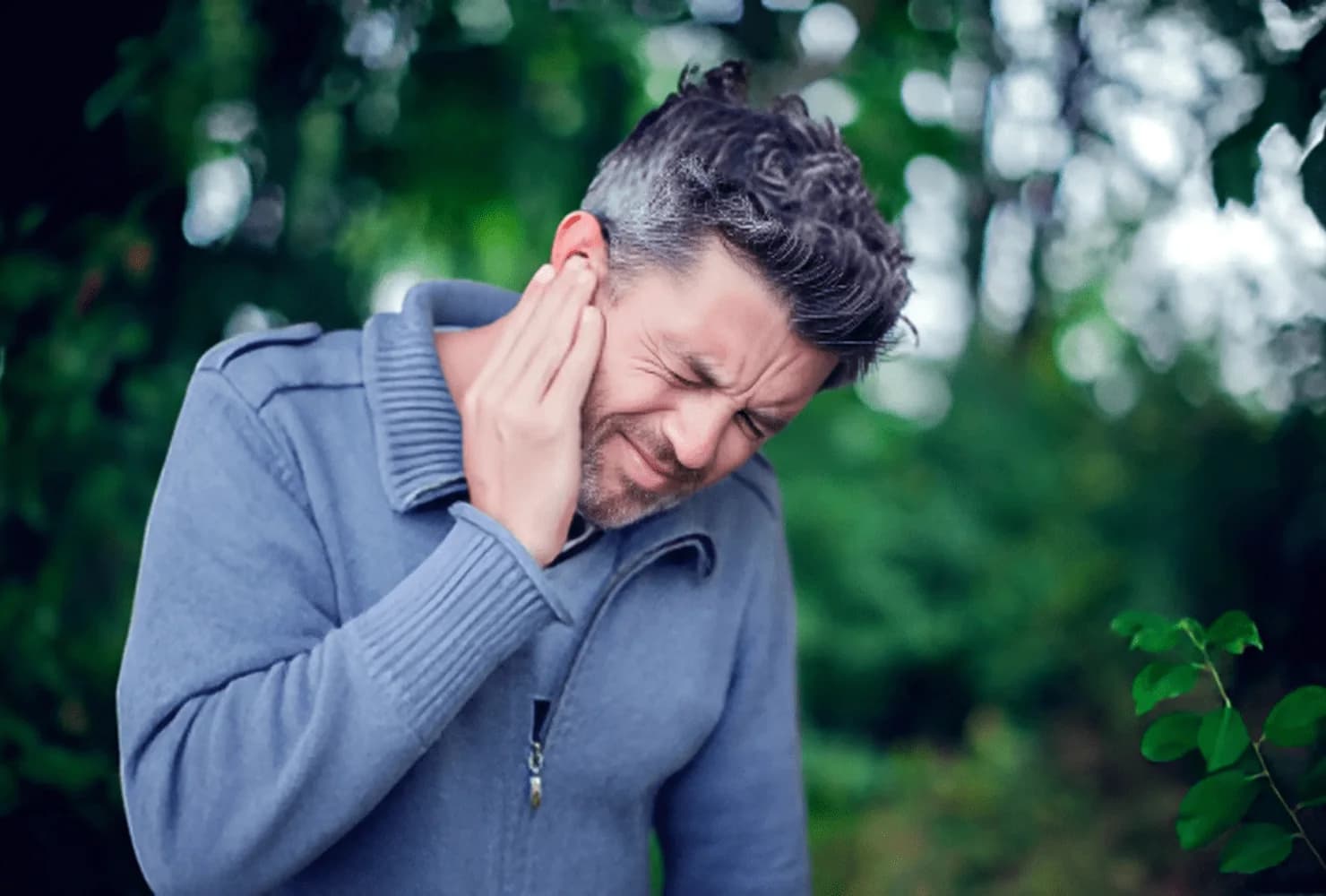
Understanding Tinnitus: Exploring Its Association with Aging
Zarina Naizam, Au.D., CCC-A · Published

Tinnitus, often described as ringing, buzzing, or hissing sounds in the ears without an external source, is a common condition that affects millions of people worldwide. While it can occur at any age, research suggests that tinnitus becomes more prevalent and noticeable as we age. In this post, we look at the relationship between tinnitus and aging, its causes, and potential management strategies.
The Link Between Aging and Tinnitus
As we age, our auditory system undergoes natural changes, including a gradual decline in hearing sensitivity and changes in the brain’s auditory processing. These age-related changes can contribute to an increased likelihood of experiencing tinnitus. Factors such as cumulative noise exposure over a lifetime, medical conditions, and changes in blood flow to the ears can also play a role in the development of tinnitus.
Common Causes of Age-Related Tinnitus
- Hearing Loss: Age-related hearing loss (presbycusis) is a leading contributor to tinnitus in older adults. The brain may compensate for hearing loss by producing phantom sounds, leading to tinnitus perception.
- Noise Exposure: Years of exposure to loud noises, whether occupational or recreational, can damage the delicate structures of the inner ear, contributing to both hearing loss and tinnitus.
- Medical Conditions: Certain age-related medical conditions such as hypertension, diabetes, and cardiovascular issues can affect blood flow to the ears and increase tinnitus risk.
- Medications: Some medications commonly prescribed to older adults for various health conditions can have tinnitus as a side effect.
Managing Age-Related Tinnitus
Several management strategies can help reduce the impact of tinnitus:
- Hearing Aids: If hearing loss accompanies tinnitus, wearing hearing aids can improve overall hearing and reduce the perception of tinnitus sounds.
- Sound Therapy: Using background noise or sound-masking devices can help distract from tinnitus sounds and promote relaxation.
- Healthy Lifestyle: Maintaining a healthy lifestyle, including regular exercise, a balanced diet, stress management, and avoiding excessive noise exposure, can support overall well-being and potentially reduce tinnitus severity.
- Counseling and Support: Seek support from healthcare professionals specializing in tinnitus management. Counseling, cognitive behavioral therapy (CBT), and support groups can provide valuable coping strategies and emotional support.
Living With Tinnitus as You Age
Tinnitus may become more prevalent with age, but it is a manageable condition for many people. Understanding the factors that contribute to tinnitus, adopting healthy habits, seeking professional guidance, and exploring appropriate interventions can significantly improve quality of life and reduce the impact of tinnitus-related challenges. If you or a loved one is experiencing bothersome tinnitus, don’t hesitate to talk with a hearing healthcare provider or other healthcare provider about a personalized evaluation and management options.
Originally published on the date shown above. For current device options, fees or insurance coverage, please contact the clinic. To learn how we prepare our articles, see our editorial policy.