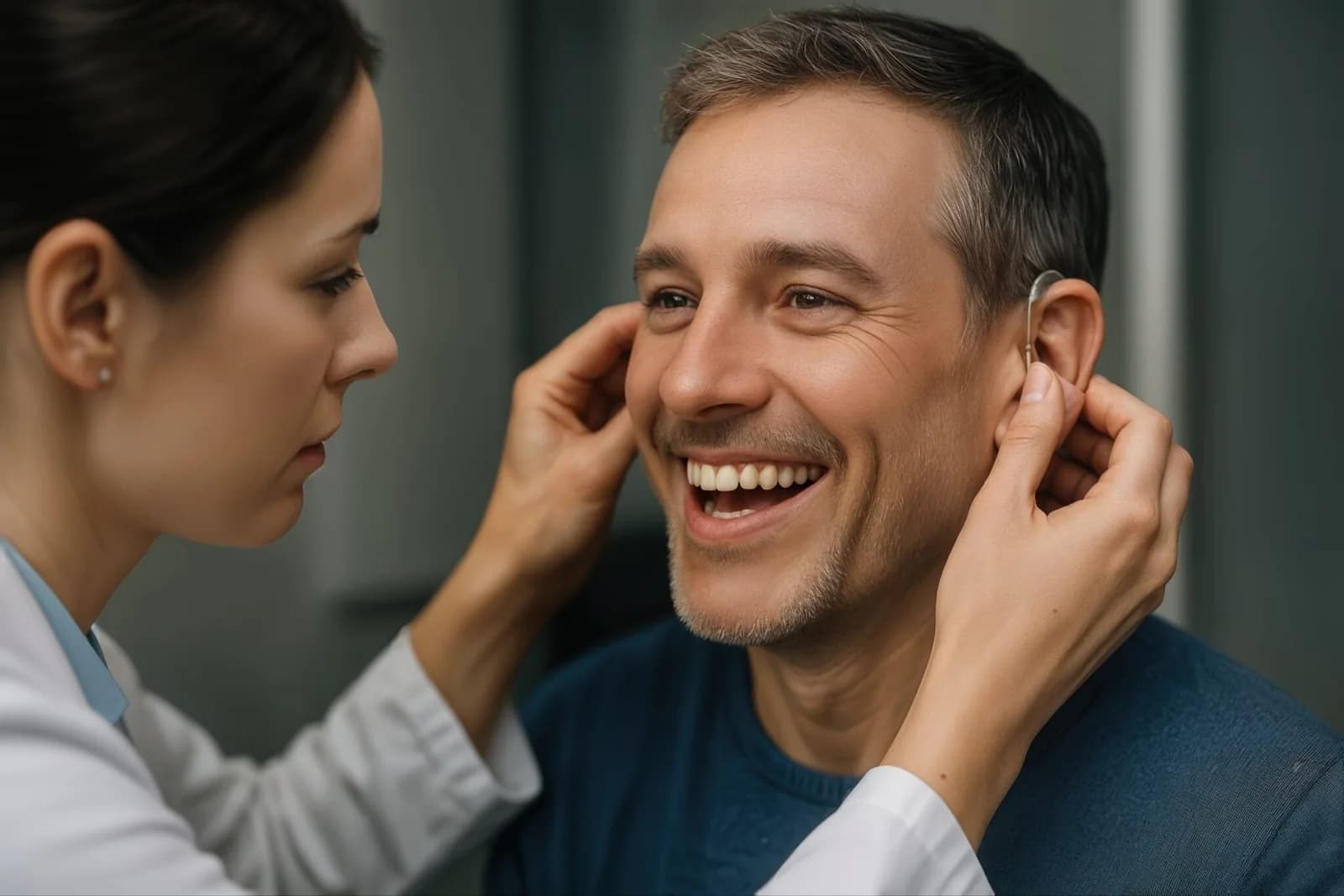
World Hearing Day 2026: Why Hearing Health Matters More Than Ever
Zarina Naizam, Au.D., CCC-A · Published
Every year on March 3, the world comes together to recognize World Hearing Day, a global awareness campaign led by the World Health Organization (WHO). Its goal is to raise awareness about hearing loss and promote ear and hearing care across all ages.
In 2026, the message is clearer than ever: hearing health is essential to overall health. If you’re a parent protecting your child’s ears, a professional exposed to workplace noise, or an older adult noticing subtle changes, World Hearing Day is the perfect time to make your hearing a priority.
Why World Hearing Day Matters
Hearing loss is more common than many people realize.
-
According to the World Health Organization (WHO), over 430 million people worldwide require rehabilitation for disabling hearing loss. This number is projected to reach nearly 700 million by 2050 if prevention efforts are not strengthened (WHO, 2023).
-
The Centers for Disease Control and Prevention (CDC) estimates that about 1 in 8 people in the United States age 12 years or older has hearing loss in both ears (CDC, 2022).
-
Nearly 1 billion young people worldwide are at risk of hearing loss due to unsafe listening practices (WHO, 2019).
Fortunately, many cases of hearing loss are preventable, and early detection dramatically improves treatment outcomes.
Early Signs of Hearing Loss
Hearing loss often develops gradually, which makes it easy to overlook. Common signs include:
-
Frequently asking others to repeat themselves
-
Turning up the TV or phone volume higher than others prefer
-
Difficulty hearing in noisy environments
-
Ringing in the ears (tinnitus)
-
Feeling mentally fatigued after conversations
If any of these sound familiar, scheduling a professional hearing evaluation is an important next step.
The Connection Between Hearing & Overall Health
Hearing health goes beyond the ears. Research shows untreated hearing loss is associated with:
-
Increased risk of cognitive decline and dementia (National Institute on Aging, 2023)
-
Social isolation and depression
-
Higher risk of falls in older adults
When hearing loss is addressed with hearing aids or other treatment options, people often report improved communication, confidence, and quality of life.
World Hearing Day reminds us that hearing care is healthcare.
How to Protect Your Hearing
Prevention is critical to lifelong hearing wellness. Here are science-backed ways to protect your ears:
1. Follow Safe Listening Levels
The CDC recommends keeping personal audio devices below 85 decibels (dB) and limiting exposure time at higher volumes.
A simple rule:
60/60 rule: Listen at no more than 60% volume for no more than 60 minutes at a time.
2. Use Hearing Protection
Wear earplugs or earmuffs when you’re exposed to loud sound, such as:
-
Concerts
-
Sporting events
-
Power tools
-
Lawn equipment
3. Schedule Regular Hearing Screenings
Adults should establish a hearing baseline by age 50, or earlier if they’re exposed to noise or have symptoms. People over 60 benefit from annual evaluations.
Children should follow pediatric screening guidelines to detect hearing concerns early (American Academy of Pediatrics, 2023).
What to Expect During a Hearing Test
Many people delay care because they don’t know what a hearing test involves. A comprehensive hearing evaluation typically includes:
-
A review of medical and hearing history
-
Otoscopic examination of the ear canal
-
Pure-tone testing to measure hearing sensitivity
-
Speech testing to assess clarity
-
A discussion of your results and personalized recommendations
The process is painless, noninvasive, and usually completed in under an hour.
Take Action This World Hearing Day
World Hearing Day is about action as well as awareness.
This March, consider:
-
Scheduling a hearing test for yourself or a loved one
-
Teaching your children about safe listening habits
-
Checking volume settings on devices
-
Sharing hearing health information with your community
Small steps today can protect your hearing for decades to come.
Your Hearing Is Worth Protecting
Hearing connects us to conversations, music, laughter, and the everyday sounds that enrich life. World Hearing Day is a reminder that caring for your hearing is an investment in your future health and well-being.
If you’ve been putting off a hearing check, make March your turning point. Early detection leads to better outcomes and peace of mind.
References
-
World Health Organization. (2023). Deafness and hearing loss.
-
World Health Organization. (2019). 1.1 billion people at risk of hearing loss.
-
Centers for Disease Control and Prevention. (2022). Quick Statistics About Hearing.
-
National Institute on Aging. (2023). Hearing Loss and Cognitive Health.
-
American Academy of Pediatrics. (2023). Hearing Assessment in Infants, Children, and Adolescents.
Originally published on the date shown above. For current device options, fees or insurance coverage, please contact the clinic. To learn how we prepare our articles, see our editorial policy.