Real-Ear Measurement and Verified Hearing Aid Fitting
Hearing Aids · Best practice
What is real-ear measurement, and does ZN Audiology do it?
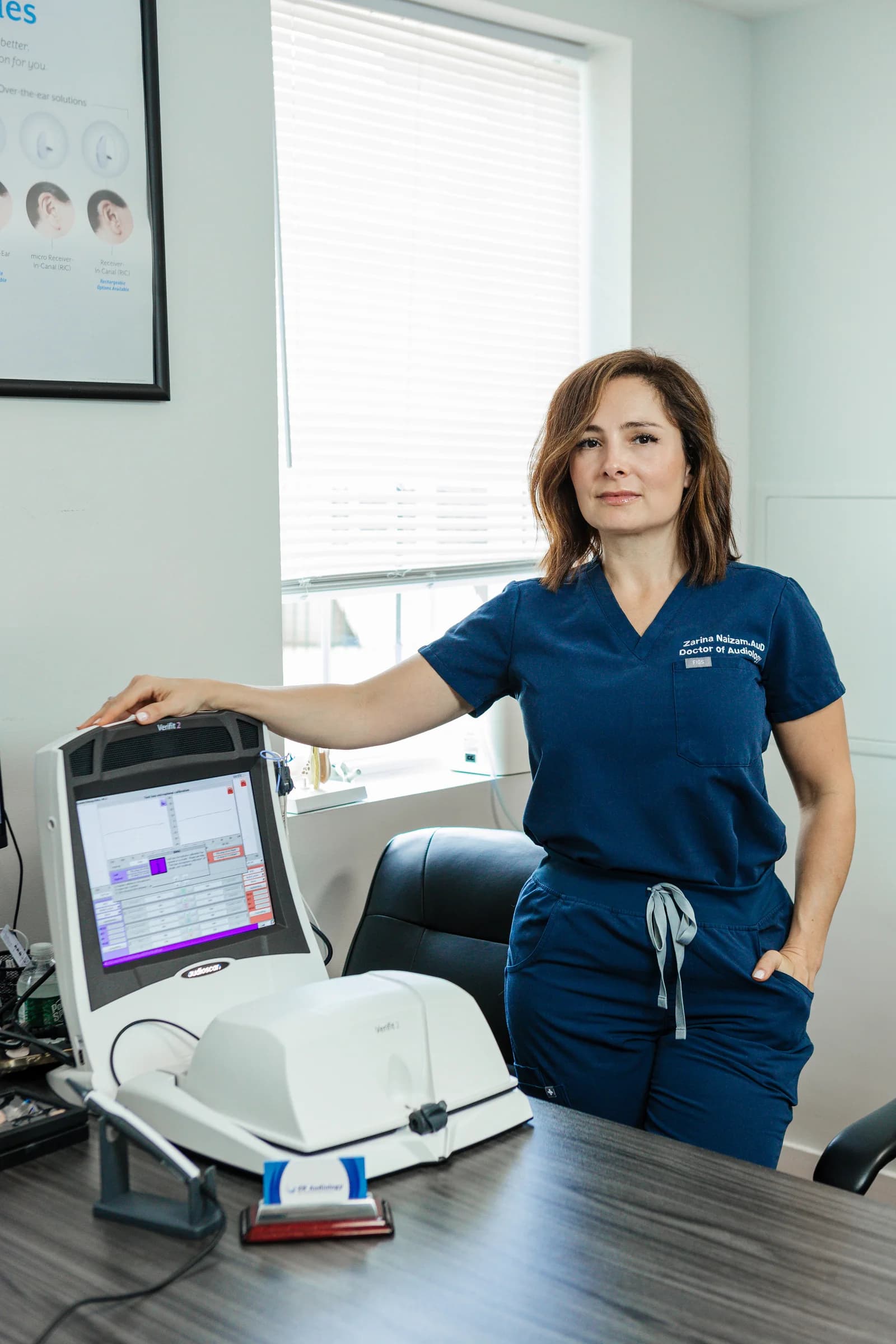
Real-ear measurement uses a probe microphone to verify what a hearing aid is actually doing inside your ear canal, instead of trusting the manufacturer’s first-fit setting. At ZN Audiology, we perform real-ear measurement at every hearing aid fitting, with speech mapping as part of verification. It is the professional standard for verified fitting, and not every provider performs it.
About Real-Ear Measurement and Verified Fitting
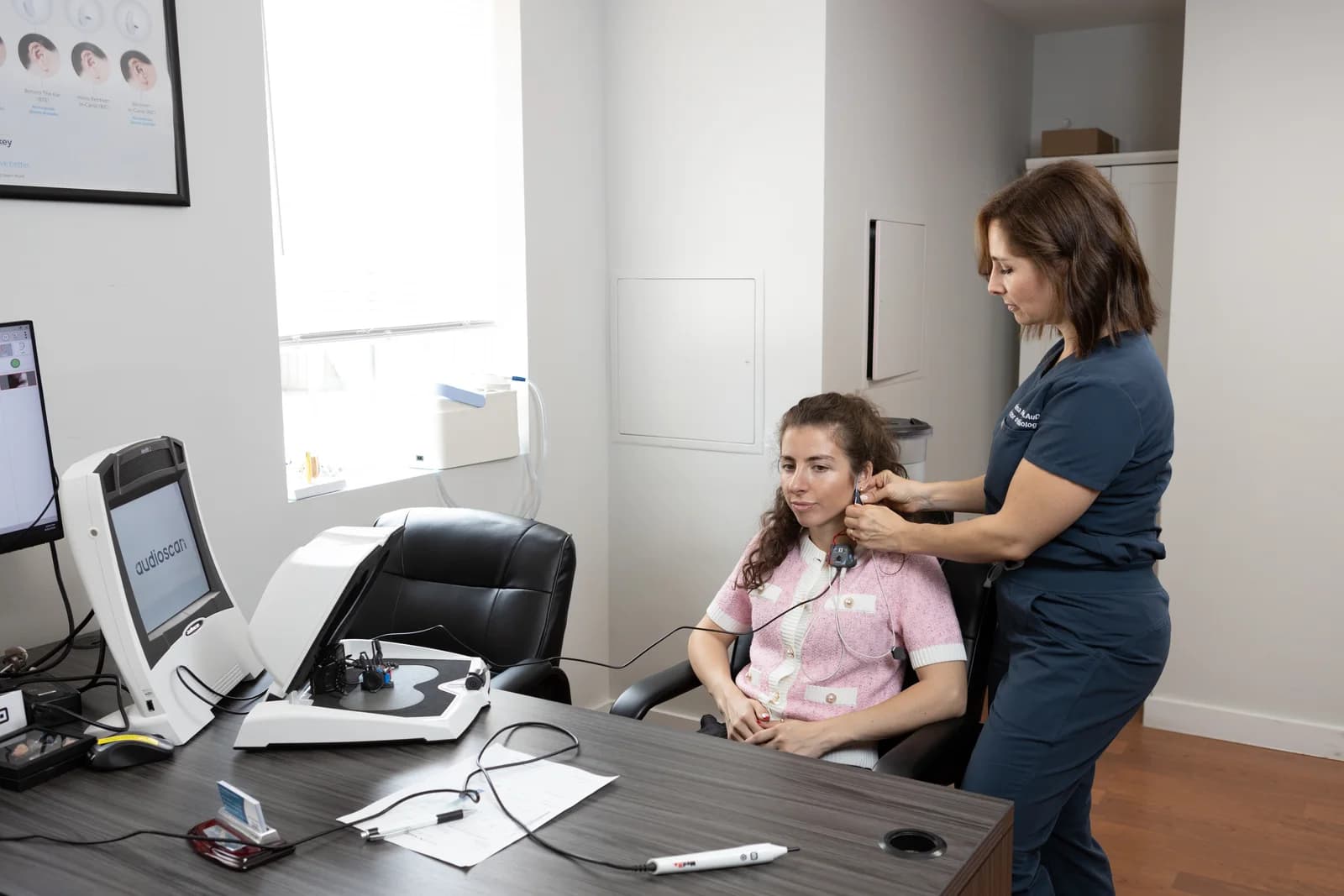
A soft probe tube sits in your ear canal alongside the hearing aid and measures the sound pressure the hearing aid is actually producing at your eardrum. We compare that measurement with the prescribed target for your own hearing loss, which comes from your diagnostic evaluation.
The manufacturer’s first-fit setting is calculated from an average ear. But ear canals differ in length and shape, and those differences change what actually reaches the eardrum by several decibels. That gap is the reason this measurement exists.
Professional guidance describes in-situ verification as the most direct method of checking a hearing device, and as a standard of care, not an optional add-on. In one published comparison, close to 80 percent of participants preferred the fitting achieved with real-ear measures over the manufacturer first fit.
What this includes
- Performed as standard practice
- It is part of a fitting here. It is not an upgrade, and you do not have to know to ask for it.
- Devices fitted elsewhere can be measured
- A hearing aid that “does not work” has often never been verified. Measuring it is usually the first useful step.
- Individual ear acoustics
- Verification accounts for the acoustic properties of your individual ear instead of relying on a manufacturer’s average-ear setting.
- Both clinics
- Real-ear measurement and speech mapping are performed at both our Forest Hills and Midwood, Brooklyn clinics.
What to expect
- 01
Diagnostic evaluation
A full hearing assessment establishes the type, degree and configuration of your hearing loss. Everything that follows is built on this measurement.
- 02
Device selection
We choose hearing aids to match your audiogram and your listening needs, from all major manufacturers, not a single brand.
- 03
Probe-tube measurement
The probe microphone measures real output at the eardrum against the prescription target, using calibrated speech as the stimulus.
- 04
Adjustment and re-measurement
We adjust the fitting and measure again until the output matches your target, not the default.
- 05
Speech mapping and follow-up
Speech mapping shows how real speech reaches you across frequencies, and follow-up appointments refine the fitting as you wear your hearing aids.
A closer look at our equipment
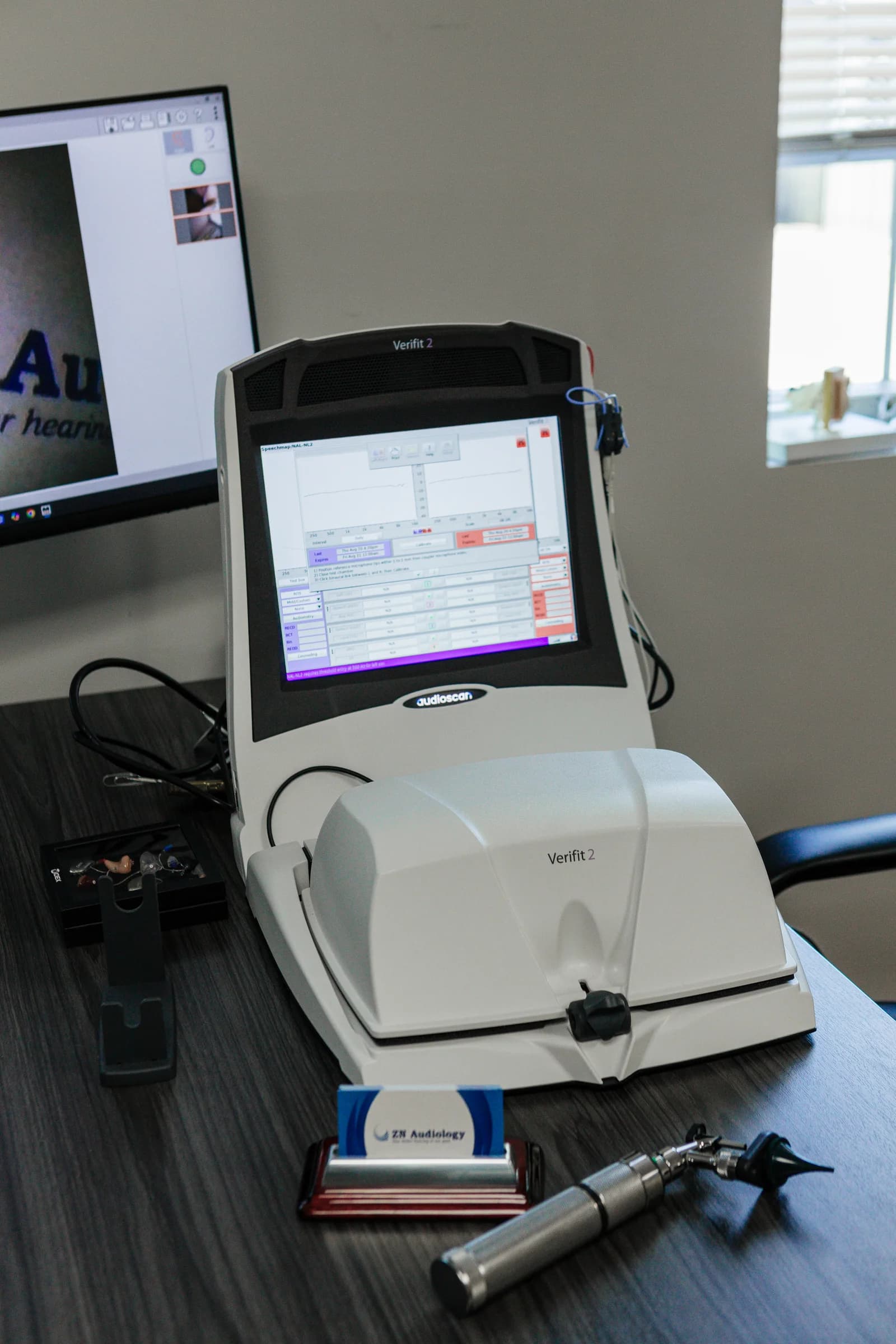
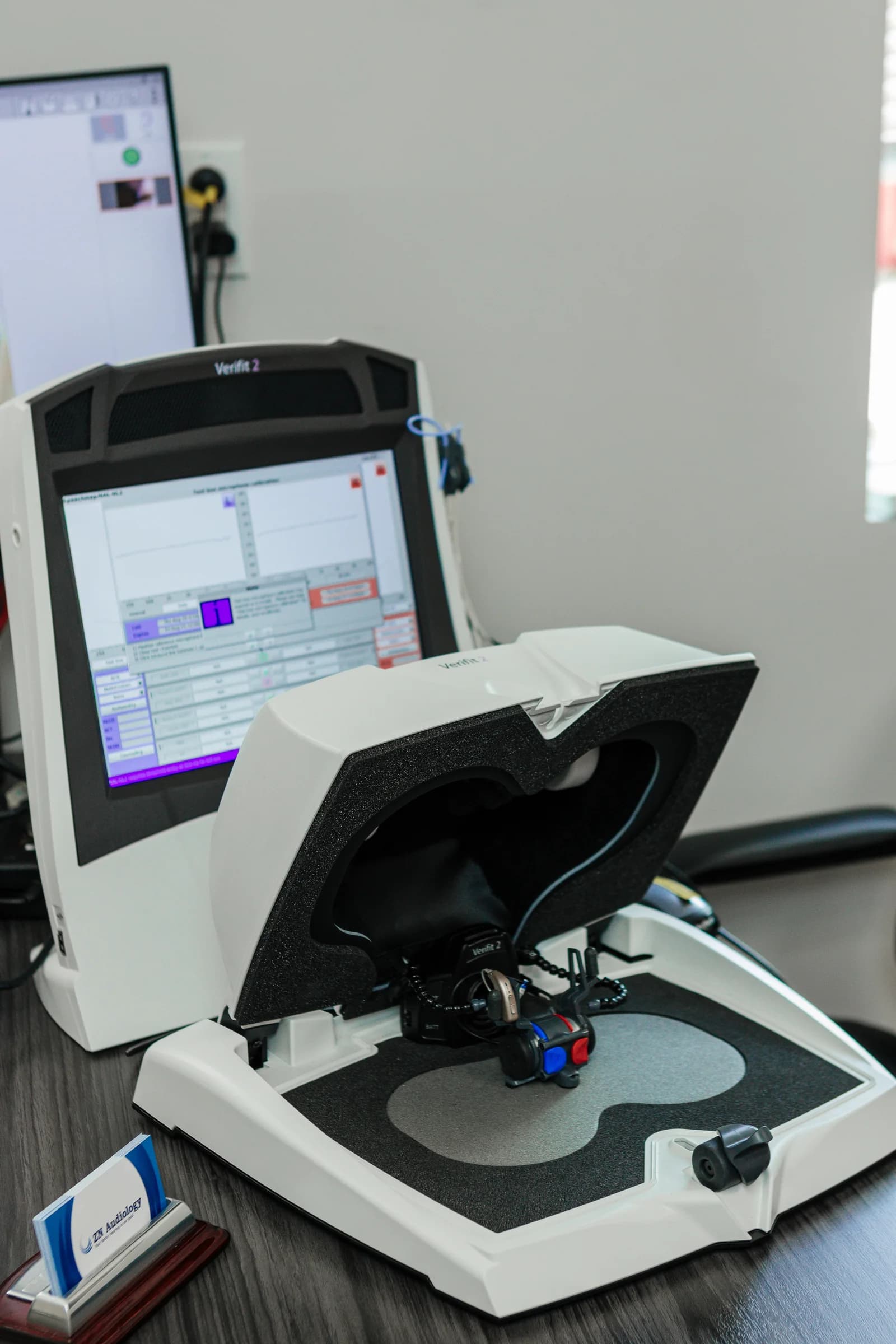
These photographs show ZN Audiology’s Verifit 2 system and a fitting session at our practice.
Questions about real-ear measurement and verified fitting
Real-ear measurement uses a thin probe microphone placed in your ear canal to measure the sound a hearing aid is actually delivering at your eardrum. We compare that measured output with the prescription target for your specific hearing loss, instead of assuming the manufacturer’s default is correct for the shape and size of your ear.
Book with an ASHA-certified audiologist
Book online through Zocdoc, or call your preferred clinic to discuss an appointment.
More about your hearing care

Getting Used to Hearing Aids: What to Expect
Learn what to expect when adjusting to hearing aids, from unfamiliar sounds to fitting follow-ups and a consistent wearing routine.
Read article
Phonak Audéo Sphere Infinio: Hearing Better in Noise
Hearing in noisy places can be one of the biggest challenges for people with hearing loss.
Read article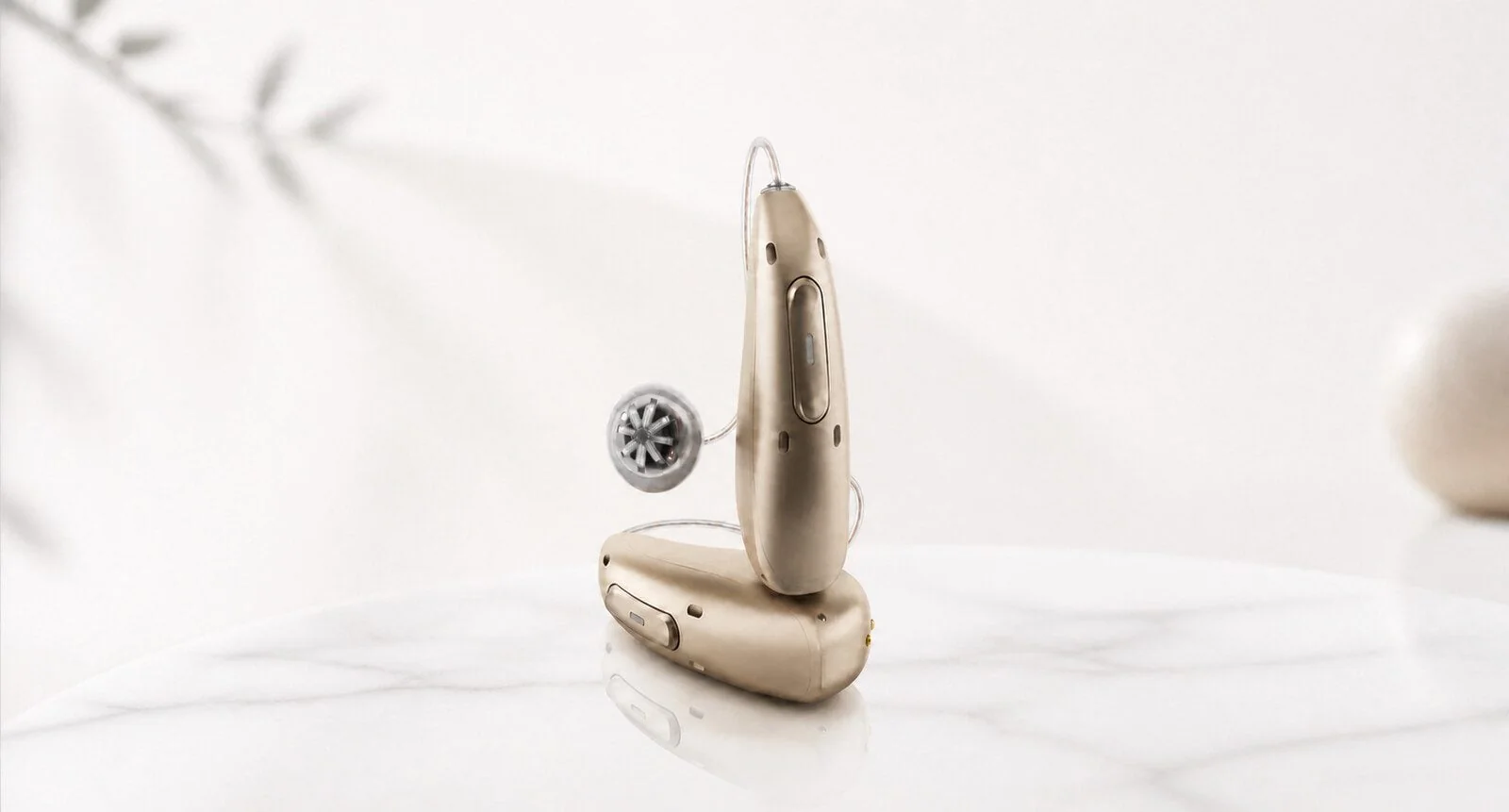
Phonak Sphere Hearing Aids: What Patients Should Know
Learn what Phonak Sphere hearing aids are, what makes them different, who they may help, and what to consider before choosing them.
Read article
Related
- Hearing AidsPrescription devices from all major manufacturers, fitted to your audiogram.
- Comprehensive Hearing AssessmentsThe diagnostic evaluation that produces the prescription target.
- Pediatric AudiologyHearing evaluations and care for ages five and older.
- Book NowRequest a fitting or a second opinion at either clinic. (opens Zocdoc in a new tab)