
1. Embrace the Symphony of Sounds Around You
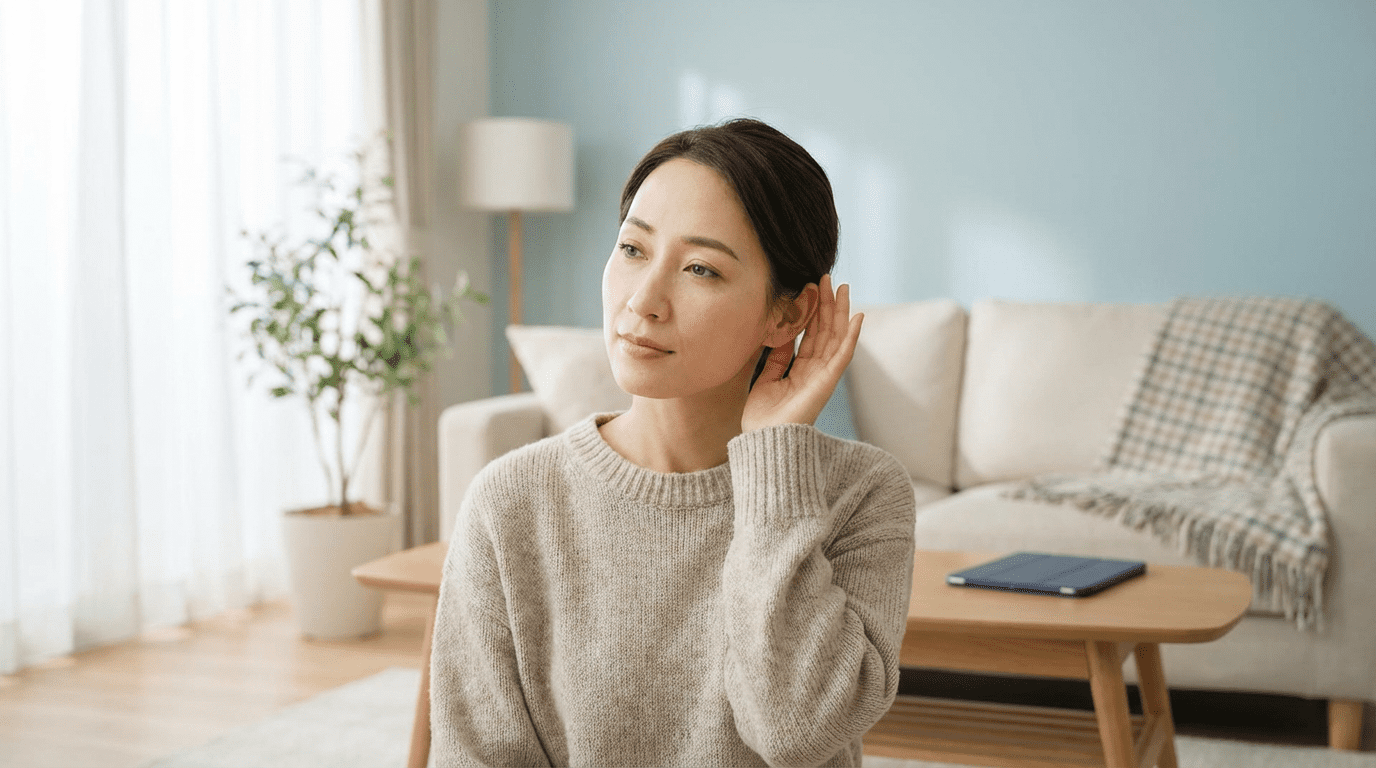
Life is a rich tapestry of sounds, from the chirping of birds to the laughter of loved ones. However, as we journey through life’s seasons, our hearing can often take an unexpected retreat, leaving us feeling isolated from the world’s acoustic wonders. Fear not, for there are ways to fine-tune your auditory experience and rejoin the orchestra of everyday noises.
Firstly, it’s crucial to acknowledge any changes in your hearing. There’s no shame in admitting that conversations have become a bit muddled or that the TV needs to be louder than it used to. Recognizing these signs early can lead to prompt action, which may include consulting with an audiologist. They’re like the conductors for your ears, helping you harmonize your hearing.
2. Fine-Tuning Your Auditory Environment
Creating an environment conducive to better hearing doesn’t require a complete overhaul—sometimes, it’s the subtle adjustments that make all the difference. Here are a few tips:
- Reduce background noise: When possible, minimize ambient sounds. Quieter surroundings can help clarify speech and other important signals.
- Positioning is key: In social settings, choose seats where you can clearly see faces. Visual cues are invaluable when piecing together conversations.
- Technology is your ally: Modern advancements in hearing aids and assistive listening devices can amplify your ability to engage with the world. Explore options that sync with your lifestyle.
3. Nurturing Your Ears’ Health
Just as we tend to our gardens to enjoy their blooms, so too must we care for our ears. Here’s how:
- Regular check-ups: Just as you would with your eyesight, schedule regular hearing evaluations. Early detection of hearing loss can open up a broader range of solutions.
- Protect your ears: Exposure to loud noises can be detrimental over time. Use earplugs or earmuffs when engaging in activities like concerts or lawn mowing.
- Healthy living: Exercise and a balanced diet contribute to overall health, including that of your ears. Circulation is key, and what’s good for the heart is often good for hearing.
4. Staying Connected Through Sound
Isolation can creep in when hearing diminishes, but it doesn’t have to be your new normal. Engage with friends and family about your needs. Most will be more than willing to support you by speaking clearly and facing you during conversations. Also, consider joining a community or support group; sharing experiences can lead to discovering new coping strategies and technologies.
5. Conclusion: Amplify Your Quality of Life
In conclusion, while hearing loss can be a challenging hurdle, it’s not insurmountable. By taking proactive steps and utilizing available resources, you can continue to enjoy the symphony of life’s sounds. Remember, every whisper, giggle, and melody is a note in the soundtrack of your life—make sure you’re tuned in to hear it.
Questions & Answers
Q: Are there specific exercises I can do to improve my hearing?
A: While there aren’t exercises to directly enhance hearing, maintaining good cardiovascular health can positively impact ear function. Activities like walking, swimming, or cycling can promote better circulation, which is beneficial for ear health.
Q: How often should I get my hearing checked?
A: It’s wise to have your hearing tested annually, especially if you’ve noticed changes or if hearing loss runs in your family. Regular check-ups can help track any shifts in your hearing ability and address them promptly.
Q: Can hearing aids be invisible?
A: Yes, there are hearing aid designs that are nearly invisible, fitting discreetly inside the ear canal. These can be a great option for those concerned about the visibility of hearing aids. An audiologist can provide recommendations based on individual needs and preferences.