Earwax Removal in Brooklyn and Forest Hills
Diagnostics
Who can safely remove impacted earwax?
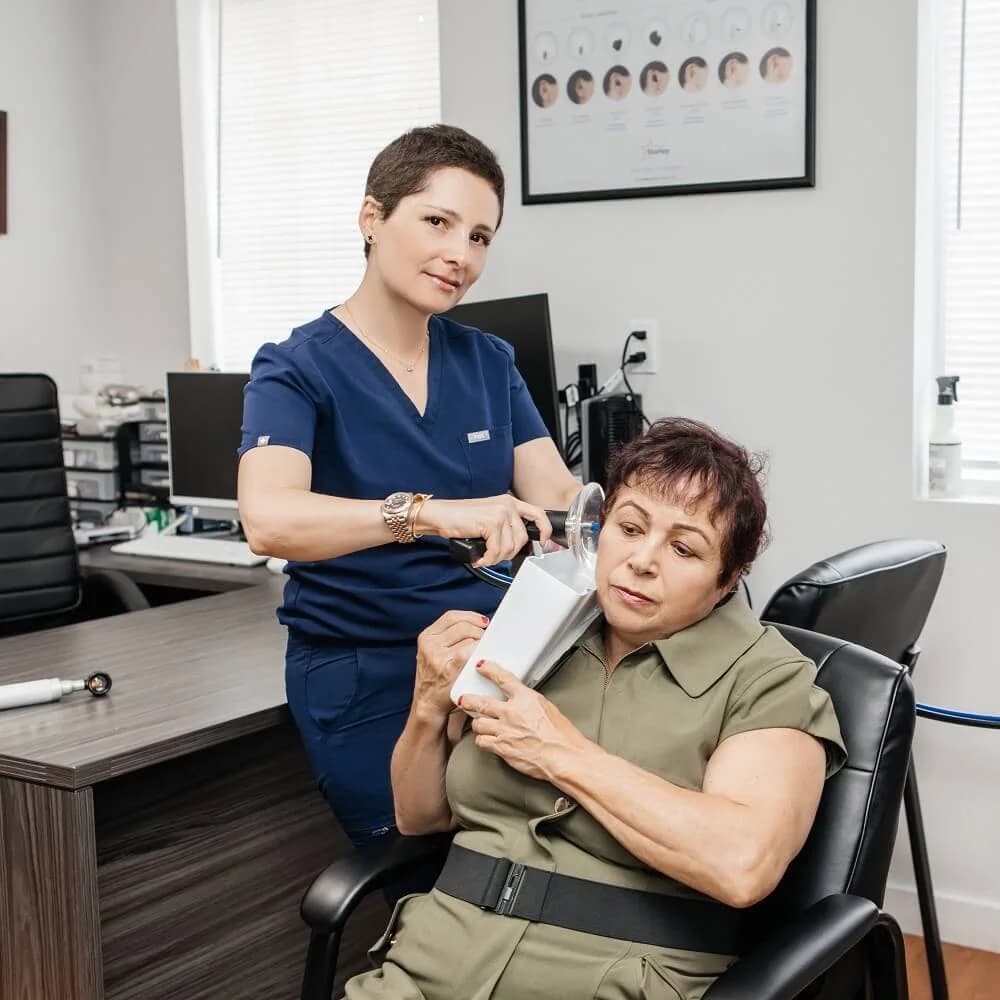
ZN Audiology removes impacted earwax at both its Brooklyn and Forest Hills clinics, with the ear canal examined first. Clinical guidance supports irrigation, manual removal with instrumentation, and softening agents, and recommends against ear candling. Blocked hearing from wax and genuine hearing loss feel identical, so the canal is checked before anything else.
About Earwax Removal
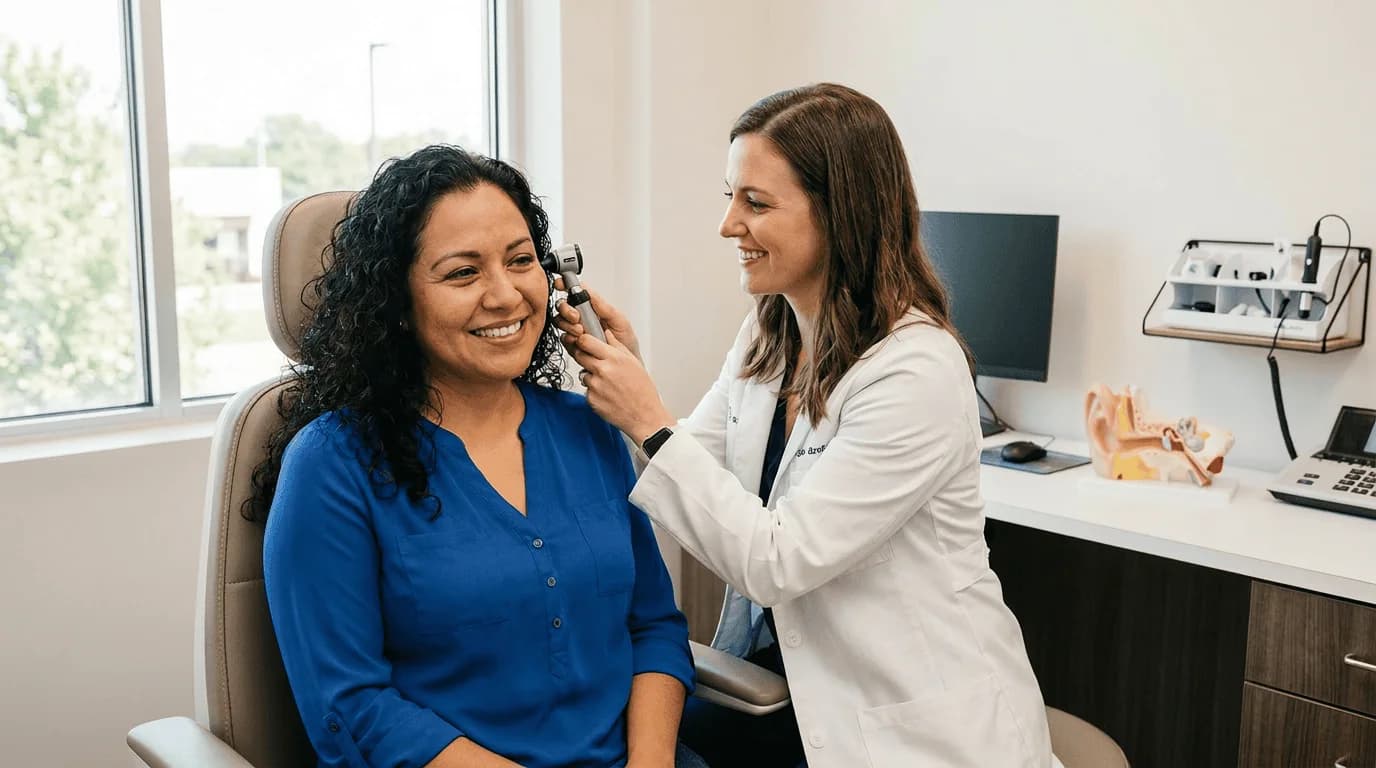
Impacted earwax and hearing loss present identically to the person experiencing them: sound becomes muffled, one side feels blocked, the television volume creeps up. That is why we examine your ear canal before any hearing testing. It is the cheapest thing to rule out and the most common thing to find.
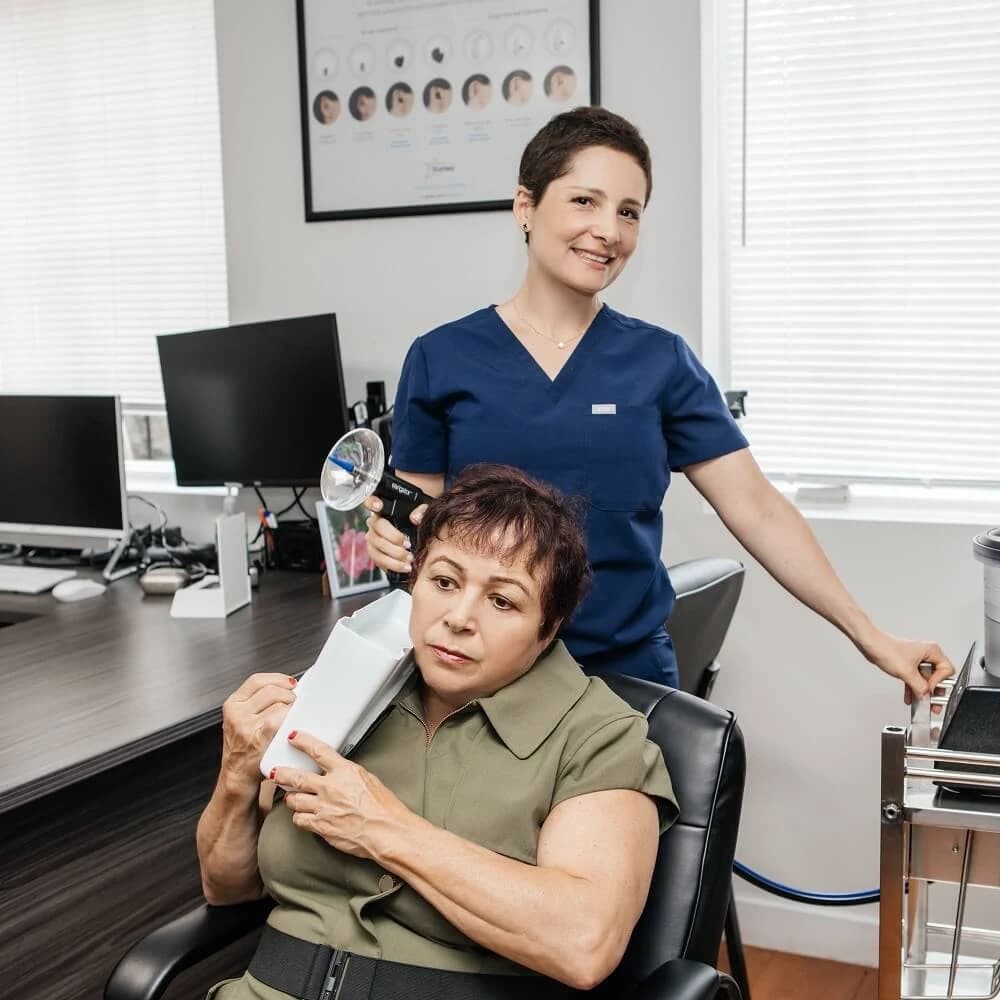
The clinical guideline permits three approaches: irrigation, manual removal using instrumentation, and softening agents including water or saline. Which one is appropriate depends on your ear, which is what the examination establishes.
The guideline clearly recommends against two things. There is no evidence that ear candling removes impacted cerumen, and it can seriously damage the canal and eardrum. Cotton swabs and small objects can cut the canal, perforate the eardrum and dislocate the hearing bones, and they mostly push wax further in.
What this includes
- Examination first
- Otoscopy comes before anything else. What is appropriate depends on what your ear canal actually looks like.
- Irrigation, manual removal or softening
- All three are supported by the clinical guideline, and your ear determines which one is appropriate.
- Performed by an audiologist
- The same clinician who would assess your hearing if the blockage turns out not to be the whole story.
- Hearing checked afterward where indicated
- If muffled hearing persists once the wax is gone, that is worth evaluating further.
When a blocked ear needs assessment
Built-up or impacted earwax can contribute to a blocked sensation, reduced hearing or discomfort. Similar symptoms can have other causes, so we examine your ear before deciding whether removal is appropriate. An examination also helps determine the safest method for your situation.
- Share your ear history
- Tell your clinician about any pain, discharge, previous ear surgery, ear tubes or a known eardrum perforation before any removal procedure.
- Avoid pushing wax deeper
- Do not insert cotton swabs or other objects into the ear canal. Ask a clinician before using drops or irrigation if you have an ear condition or are unsure what is causing your symptoms.
Questions about earwax removal
No, and the clinical guideline recommends against it. There is no evidence that candling removes impacted cerumen, and it carries a real risk of serious damage to the ear canal and eardrum, including burns. It is one of the few things in this field where the professional position is unambiguous.
Book with an ASHA-certified audiologist
Book online through Zocdoc, or call your preferred clinic to discuss an appointment.
More about your hearing care
Earwax Blockage and Hearing Loss: What to Know
Wondering if earwax blockage can cause hearing loss? Learn common symptoms, safe treatment options, and when to get your ears checked.
Read article
Can Earwax Cause Hearing Loss? When to Get It Checked
Earwax is a normal part of ear health, but when too much builds up, it can start to interfere with hearing and comfort.
Read article
The Importance of Safe Earwax Removal
Earwax, also known as cerumen, is a natural substance produced by your body to protect your ears.
Read article
Related
- Comprehensive Hearing AssessmentsIf hearing is still reduced once the canal is clear.
- Hearing Aid RepairsWax is the second most common reason a hearing aid goes quiet.
- Custom Earmolds and EarplugsMolds and plugs, and the wax problems that come with wearing them.
- Book NowBoth clinics handle wax removal. (opens Zocdoc in a new tab)