Enjoy Your Favorite Sounds Without Damage
Zarina Naizam, AuD, CCC-A · Published
Music & Hearing: How to Enjoy Your Favorite Sounds Without Damage
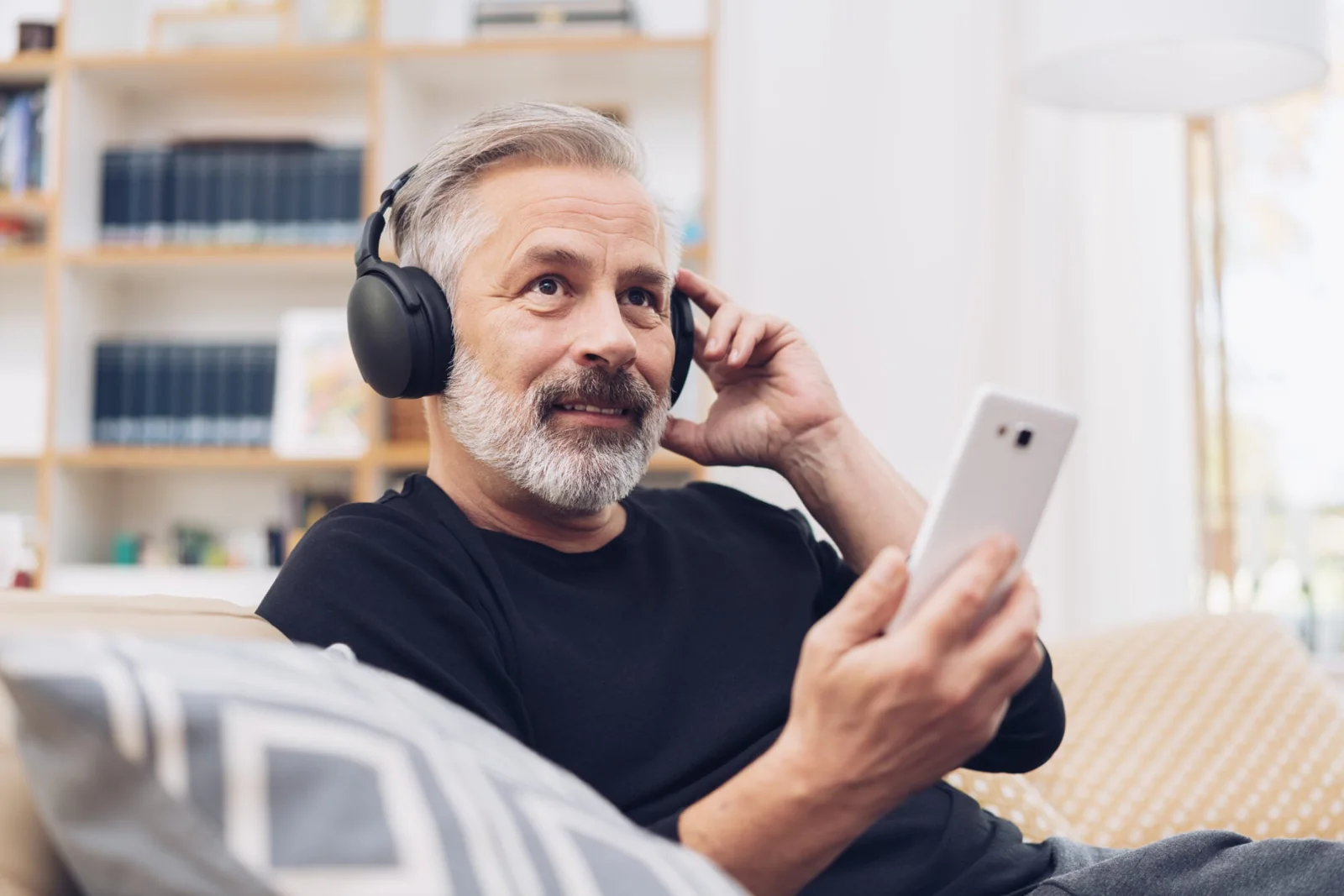
Music is powerful. It motivates workouts, deepens emotions, fuels road trips, and connects us to memories. But while music enriches our lives, unsafe listening habits can permanently damage your hearing .
The good news? You don’t have to give up your favorite songs to protect your ears. With the right knowledge and a few smart habits, you can enjoy music safely for decades to come.
Let’s explore how sound affects your hearing—and how to prevent noise-induced hearing loss.
How Loud Is Too Loud?
Sound intensity is measured in decibels (dB) . The higher the decibel level, the shorter the safe listening time.
According to the CDC and National Institute for Occupational Safety and Health (NIOSH):
-
Safe listening level: 70 dB or lower over 24 hours
-
85 dB: Safe for about 8 hours
-
100 dB: Safe for only 15 minutes
-
110–120 dB: Risk of immediate damage
For reference:
-
Normal conversation: ~60 dB
-
Busy traffic: ~85 dB
-
Maximum smartphone volume: 100–110 dB
-
Concerts and festivals: 100–120 dB
Repeated exposure above 85 dB can damage the delicate hair cells inside your inner ear. Once these cells are damaged, hearing loss is permanent .
The 60/60 Rule for Safe Headphone Use
If you use earbuds or headphones regularly, follow the 60/60 rule :
-
Listen at no more than 60% of maximum volume
-
Limit listening to 60 minutes at a time
-
Take listening breaks to allow ears to recover
Many smartphones now provide volume warnings or track headphone audio exposure. Don’t ignore these alerts—they’re designed to protect you.
Earbuds vs. Headphones: Which Is Safer?
Not all listening devices are equal.
🎧 Over-Ear Headphones (Safer Option)
-
Sit outside the ear canal
-
Often provide better sound quality at lower volumes
-
Reduce the need to turn volume up
🎧 Noise-Canceling Headphones (Best for Travel)
-
Block background noise
-
Allow listening at lower, safer volumes
-
Ideal for airplanes, gyms, and public transit
🎧 In-Ear Earbuds (Use with Caution)
-
Sit directly in the ear canal
-
Can increase sound intensity
-
Often lead to higher volume use in noisy environments
If you prefer earbuds, consider noise-isolating models and avoid increasing volume to overpower background noise.
How to Protect Your Hearing at Concerts
Live music is thrilling—but concerts can reach 110–120 dB, putting you at risk for temporary or permanent hearing damage.
Here’s how to enjoy concerts safely:
✔ Wear High-Fidelity Earplugs
Unlike foam earplugs, musician’s earplugs:
-
Lower volume evenly across frequencies
-
Preserve music clarity
-
Reduce sound by 15–25 dB
You’ll still hear the music—just at a safer level.
✔ Step Away from Speakers
Sound intensity increases dramatically closer to speakers. Move back when possible.
✔ Take Listening Breaks
Give your ears recovery time by stepping outside or into quieter areas for 10–15 minutes.
✔ Watch for Warning Signs
After a concert, temporary symptoms may include:
-
Ringing in the ears (tinnitus)
-
Muffled hearing
-
Sensitivity to sound
If symptoms last more than 24–48 hours, schedule a hearing evaluation.
Signs You May Be Listening Too Loudly
You might be at risk if:
-
Others can hear your music through your headphones
-
You experience ringing after listening sessions
-
Conversations sound muffled afterward
-
You frequently increase volume over time
These are early warning signs of noise-induced hearing damage.
Special Considerations for Teens & Young Adults
Teens and young adults are especially at risk due to prolonged headphone use and frequent concert attendance.
The World Health Organization estimates that over 1 billion young people worldwide are at risk of preventable hearing loss due to unsafe listening practices .
Parents can help by:
-
Encouraging volume limits
-
Choosing noise-canceling headphones
-
Modeling safe listening habits
-
Scheduling routine hearing checkups
Early detection makes a difference.
Why Protecting Your Hearing Matters
Unlike vision, hearing does not fully recover after damage. Noise-induced hearing loss:
-
Is gradual and often unnoticed
-
Can affect speech clarity
-
May lead to tinnitus
-
Impacts cognitive health and communication
Protecting your hearing today helps preserve music enjoyment for life.
When to Schedule a Hearing Check
Consider a hearing evaluation if you:
-
Notice ringing in your ears
-
Struggle to hear in background noise
-
Ask others to repeat themselves
-
Attend frequent concerts or use headphones daily
A baseline hearing test helps detect subtle changes before they impact daily life.
Enjoy the Music—Safely
Music should be a lifelong joy, not a source of preventable hearing damage. By keeping volume at safe levels, choosing better listening devices, and protecting your ears at concerts, you can continue enjoying your favorite sounds without compromise.
Your ears work hard for you—take care of them.
Originally published on the date shown above. For current device options, fees or insurance coverage, please contact the clinic. Clinical review by the practice is pending; see our editorial policy.