Understanding and Managing Hyperacusis: When Sounds Hurt
Zarina Naizam, Au.D., CCC-A · Published

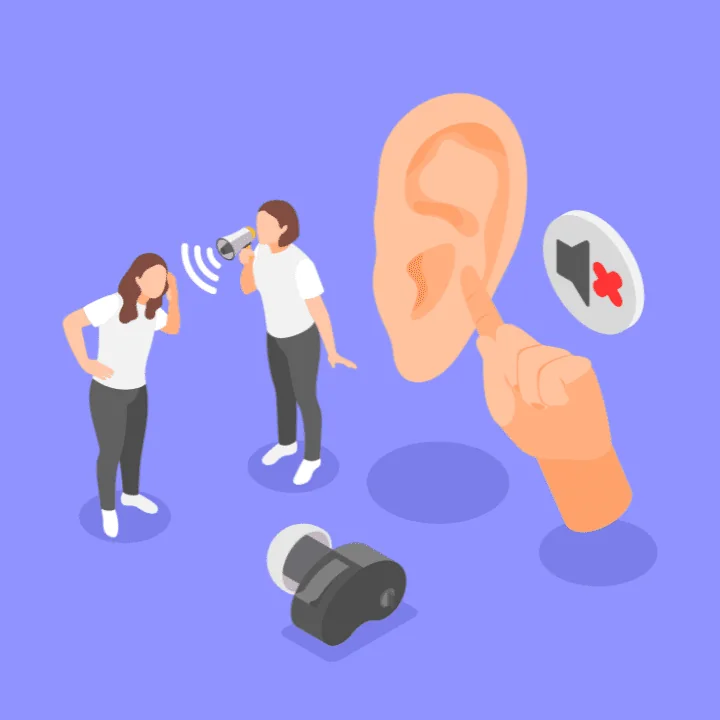
Hyperacusis is a condition in which everyday sounds become unbearably loud and painful. It can significantly affect your quality of life, so it’s essential to understand this condition and manage it effectively.
What Is Hyperacusis?
Hyperacusis is characterized by an increased sensitivity to normal environmental sounds. People with hyperacusis may find noises like running water, car engines, or even conversations distressingly loud. This condition can lead to anxiety, stress, and avoidance of social situations.
Causes of Hyperacusis
The exact cause of hyperacusis is not always clear. However, it can be linked to:
-
Exposure to Loud Noises: Prolonged exposure to loud sounds can damage the auditory system.
-
Head Injury: Trauma to the head or ear can lead to changes in hearing sensitivity.
-
Ear Infections: Chronic ear infections may contribute to the development of hyperacusis.
-
Neurological Disorders: Conditions like migraines or Lyme disease can also be associated with hyperacusis.
Symptoms of Hyperacusis
Common symptoms include:
-
Discomfort or pain from everyday sounds
-
Anxiety in noisy environments
-
Difficulty concentrating due to noise
-
Avoidance of social situations
Managing Hyperacusis
No single treatment works for everyone, but several strategies can help manage hyperacusis:
-
Sound Therapy: Gradual exposure to low-level sounds can help desensitize the auditory system.
-
Cognitive Behavioral Therapy (CBT): CBT can help you manage your emotional response to sound sensitivity.
-
Hearing Protection: Using earplugs or noise-canceling headphones in loud environments can provide relief.
-
Medical Consultation: Consulting with an audiologist can help identify underlying causes and appropriate treatments.
Getting Help for Hyperacusis
Hyperacusis can be a challenging condition, but understanding its causes and symptoms is the first step toward effective management. By exploring various treatment options, you can find relief and improve your quality of life. If you suspect you have hyperacusis, seek professional advice to tailor a management plan to your needs.
Originally published on the date shown above. For current device options, fees or insurance coverage, please contact the clinic. To learn how we prepare our articles, see our editorial policy.