Many people think of hearing loss as something that only happens with age. In reality, everyday noise—like loud music, power tools, or busy workplaces—can slowly damage your hearing over time. The good news is that there are straightforward steps you can take right now to protect your ears.
In this article, we’ll explain how loud sound affects your ears, highlight common noisy situations, and share simple, practical ways to protect your hearing at home, at work, and everywhere in between.
How loud sound affects your ears
Inside your inner ear are tiny, delicate hair cells that help turn sound waves into signals your brain can understand. These cells do an important job, but they are also fragile. When sound is too loud, or you are around loud noise for too long, these cells can become damaged.
Unlike many other cells in your body, these hair cells do not grow back once they are damaged. Over time, repeated exposure to loud noise can lead to permanent noise-induced hearing loss.
Common signs that noise is starting to affect your hearing include:
- A feeling that sounds are muffled after leaving a noisy place
- Ringing or buzzing in your ears (tinnitus)
- Needing to turn the TV up louder than others prefer
- Struggling to follow conversations, especially in noisy settings
According to the World Health Organization, many cases of hearing loss worldwide are linked to unsafe listening levels and could be prevented with better noise protection.
Everyday situations that can harm your hearing
You do not need to work next to a jet engine for your hearing to be at risk. Many everyday activities can be loud enough to cause damage over time, especially if you are exposed often or for long periods.
Some common examples include:
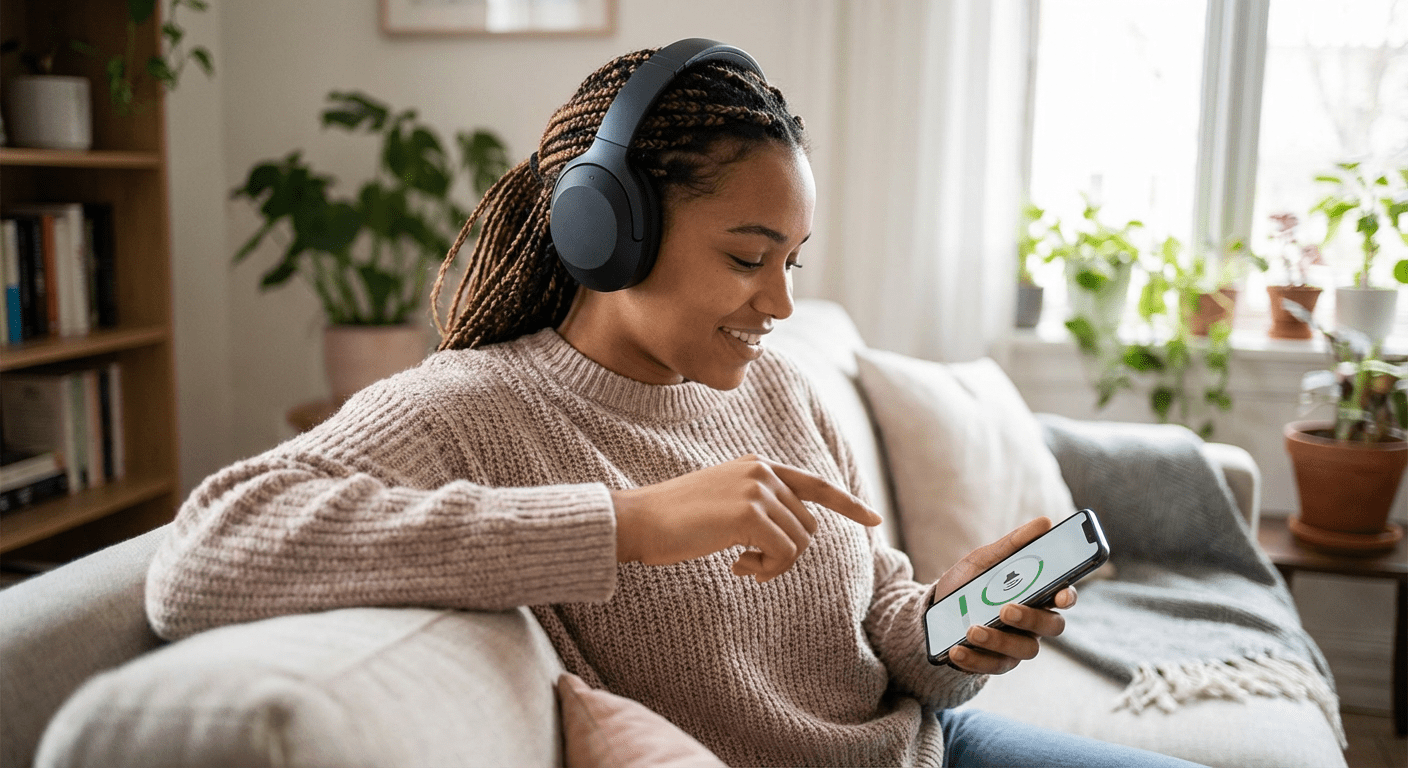
- Headphones and earbuds at high volumes, especially for long streaming or gaming sessions
- Concerts, sporting events, and clubs where you have to shout to be heard by someone nearby
- Power tools and yard equipment like leaf blowers, lawn mowers, chainsaws, and drills
- Noisy workplaces, such as construction sites, factories, warehouses, or busy restaurants
- Hobbies such as motorcycle riding, shooting sports, or live music performance
If you regularly leave these situations with your ears ringing or feeling “full,” it’s a sign that the sound level may be too high for your hearing.
Simple ways to protect your hearing right now
The best part about protecting your hearing from noise is that small changes can make a big difference. Here are practical steps you can start using today.
1. Follow safe listening habits with headphones
Headphones and earbuds are part of daily life for many people, but they can be a major source of loud sound.
- Turn the volume down. A helpful guideline is to keep the volume at about 60% or lower of the maximum.
- Limit listening time. Give your ears breaks by taking your headphones off for a few minutes every hour.
- Use noise-cancelling headphones when possible. They can help you hear clearly at lower volumes in noisy places like airplanes, buses, or trains.
- Avoid “competing” with background noise. If you are in a loud place and keep turning the volume up to drown out other sounds, that is a sign the environment is too noisy.
2. Step away from the noise when you can
Sound gets quieter the farther you are from the source. Even small changes in distance can help.
- Increase your distance from speakers or sound sources. Stand away from loudspeakers at concerts and avoid standing right next to tools like lawn mowers.
- Take regular “quiet breaks.” If you are at a club, concert, or sporting event, step outside or into a quieter area every so often to give your ears a rest.
- Choose quieter options when possible. For example, sit farther from the stage or choose seats away from loud machinery.
3. Use hearing protection in loud environments
Hearing protection devices are simple tools that can greatly reduce the amount of sound reaching your ears.
- Foam earplugs are inexpensive and widely available in pharmacies and hardware stores.
- Reusable silicone earplugs can be more comfortable for regular use and are easier to insert and remove.
- Earmuff-style protectors that cover the whole ear can be helpful for power tools, yard work, or shooting sports.
- Musician’s or filtered earplugs lower the overall sound level while keeping music and speech clearer, making them a good option for concerts or live performances.
The key is to wear hearing protection every time you are in a loud environment, not just once in a while.
4. Make your home and hobbies hearing-friendly
Small changes to your routines at home and in your free time can also help protect your hearing.
- Turn down the volume on TVs, speakers, and gaming systems. Aim for a level where you can hear comfortably without raising your voice to talk.
- Close doors or windows to reduce outside noise from traffic or equipment when possible.
- Maintain equipment. Well-maintained tools and appliances are often quieter than older or damaged ones.
- Talk with family or friends about shared noise rules—like keeping music or TV at a reasonable level in shared spaces.
5. Know your workplace protections
If you work in a noisy environment, your employer may be required to take steps to protect your hearing.
- Ask whether your workplace has hearing conservation programs or regular hearing checks.
- Make sure you know how and when to use hearing protection provided at work.
- If you feel that noise levels are uncomfortable or your ears ring after a shift, let your supervisor or health and safety team know.
When to see a hearing professional
Even with good habits, it is important to pay attention to any changes in your hearing. Consider scheduling a hearing evaluation if you notice:
- You frequently ask people to repeat themselves
- You feel others are mumbling or not speaking clearly
- You struggle to follow conversations in restaurants, meetings, or group settings
- You experience ongoing ringing, buzzing, or hissing in your ears
- Friends or family say the TV or music is too loud
A hearing evaluation is comfortable and straightforward. A hearing care professional can check your hearing levels, discuss your noise exposure, and recommend personalized steps to protect your hearing going forward.
The bottom line: Your everyday choices matter
Noise-related hearing loss is common, but it is also highly preventable. By turning the volume down, stepping away from loud sound, using hearing protection, and paying attention to early warning signs, you can make a big difference for your long-term hearing health.
If you have questions or concerns about your hearing—or your exposure to noise—consider booking a hearing evaluation with a qualified hearing care professional. Taking action now is one of the best ways to protect your hearing for years to come.
References
- World Health Organization. World report on hearing. Geneva: World Health Organization; 2021.
- National Institute on Deafness and Other Communication Disorders (NIDCD). Noise-Induced Hearing Loss [fact sheet]. Bethesda, MD: NIDCD.
- Centers for Disease Control and Prevention. Loud Noise Can Cause Hearing Loss [online resource].